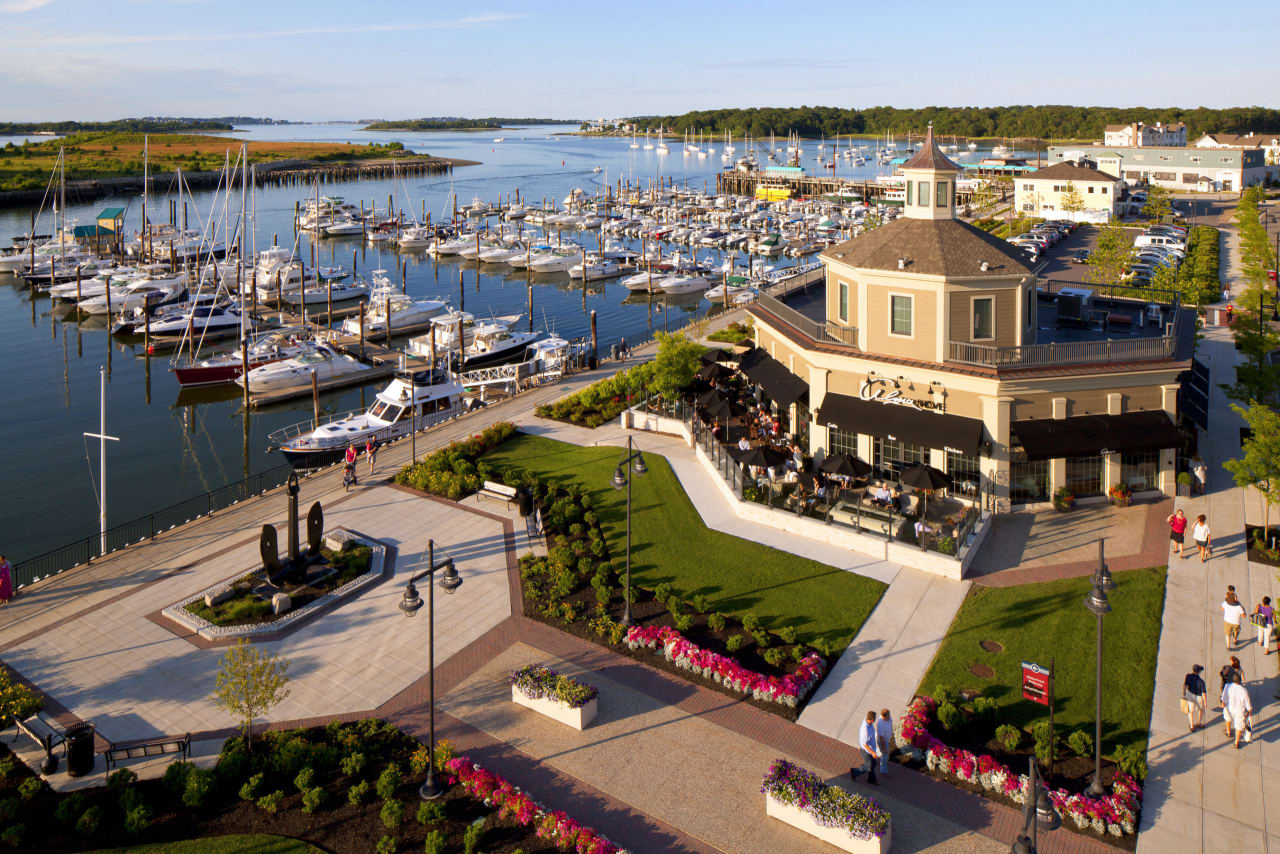

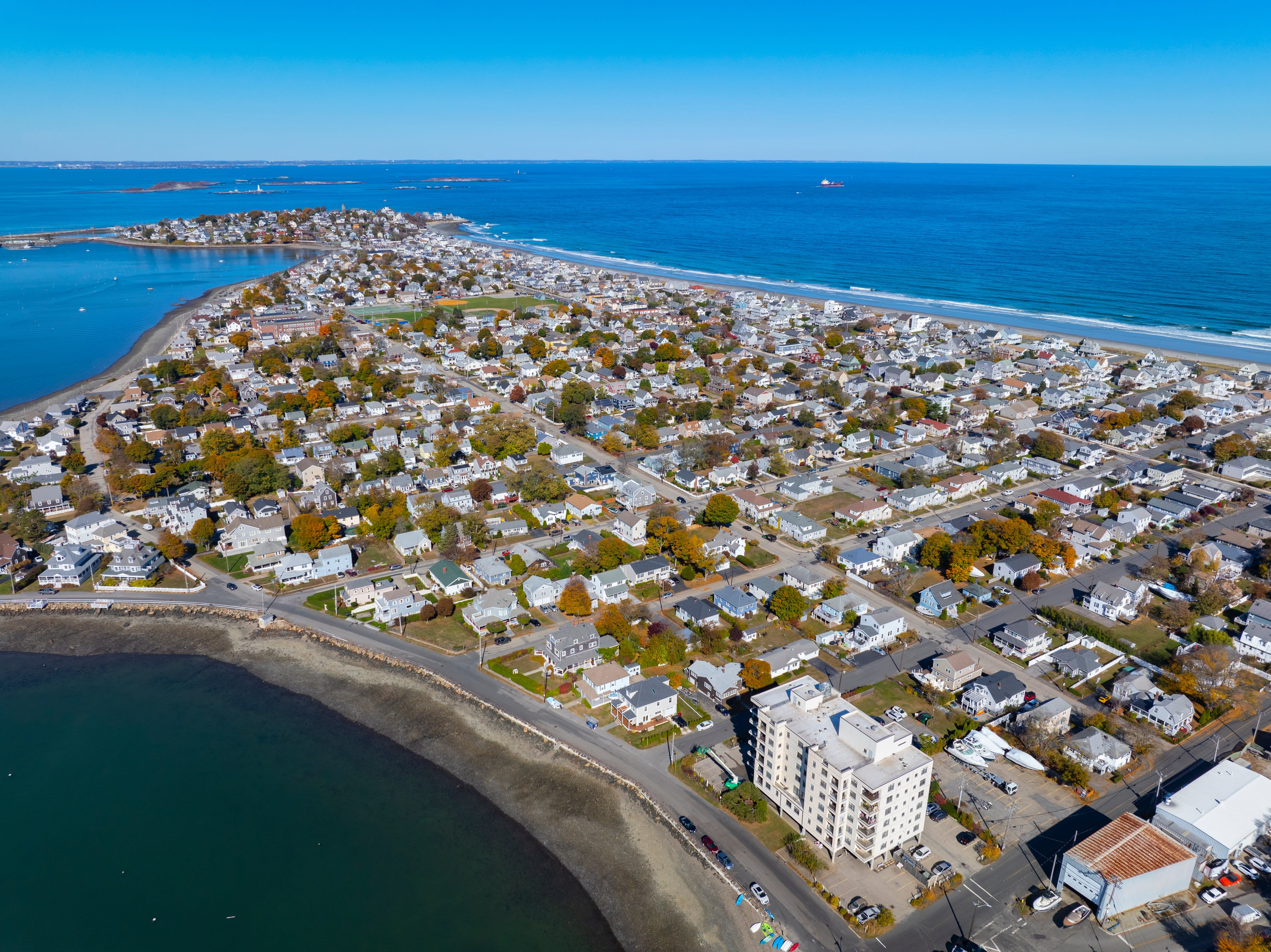

Real estate plays a critical role in shaping the economic health of local communities, and Hingham is no exception. As a desirable South Shore town with strong demand for housing, Hingham’s real estate market is closely tied to employment trends, population growth, and overall economic stability. Home values, development activity, and buyer demand often reflect broader economic conditions while simultaneously influencing them. Understanding the connection between real estate and economic growth in Hingham provides valuable insight for homeowners, buyers, investors, and local businesses. This article explores how housing, development, and market activity contribute to Hingham’s long-term economic success.
How the Hingham Real Estate Market Reflects Local Economic Growth
The real estate market is often considered a mirror of the local economy. In Hingham, housing trends offer clear signals about economic strength, stability, and future growth.
Housing Demand as an Economic Indicator in Hingham
Strong demand for homes in Hingham reflects a healthy local economy. When employment opportunities are stable and household incomes rise, more buyers are able to enter the market. This increased demand supports higher home values and encourages new development.
Hingham’s appeal as a residential community is driven by its coastal location, access to Boston, high-performing schools, and overall quality of life. These factors attract professionals, families, and retirees, all of whom contribute to sustained housing demand. As more people seek to live in Hingham, the real estate market becomes a key indicator of economic confidence.
Home Prices and Property Values in a Growing Economy
Rising home prices are often associated with economic growth, and Hingham has experienced steady appreciation over time. Property values tend to increase when demand outpaces supply, particularly in communities with limited land for new construction.
Higher home values contribute to household wealth, which can stimulate local spending and investment. Homeowners who benefit from appreciation may reinvest in renovations, local businesses, or additional properties, further supporting the local economy.
Inventory Levels and Development Activity
Housing inventory levels provide insight into market balance and economic momentum. In Hingham, limited inventory has been a defining characteristic, reinforcing strong seller conditions. Low inventory often signals confidence among homeowners and sustained demand from buyers.
When inventory remains tight, developers may explore new residential projects or mixed-use developments. Responsible growth supports economic expansion while preserving the character of the community.
Real Estate as a Driver of Economic Growth in Hingham 
While the real estate market reflects economic conditions, it also actively drives growth through job creation, investment, and increased tax revenue.
Job Creation Through Real Estate and Construction
Real estate activity supports a wide range of jobs in Hingham, including construction, home improvement, real estate services, finance, and legal professions. New construction projects and home renovations create employment opportunities for local contractors, tradespeople, and suppliers.
Real estate transactions also support real estate agents, mortgage lenders, appraisers, inspectors, and attorneys. This interconnected network of professionals contributes to a resilient local economy.
Local Spending Fueled by Homeownership
Homeownership has a direct impact on local economic activity. New homeowners often invest in furnishings, landscaping, repairs, and upgrades, supporting small businesses throughout Hingham. Ongoing maintenance and improvement projects generate consistent economic activity over time.
Additionally, homeowners tend to have deeper ties to their community, increasing their participation in local commerce, schools, and civic organizations. This engagement strengthens the economic and social fabric of the town.
Property Taxes and Municipal Revenue
Property taxes generated from residential and commercial real estate are a major source of revenue for the Town of Hingham. These funds support essential services such as schools, infrastructure, public safety, and community programs.
As property values increase, the tax base expands, providing resources for continued investment in public amenities. Strong municipal services, in turn, enhance quality of life and sustain real estate demand, creating a positive feedback loop between housing and economic growth.
The Role of Commercial Real Estate in Hingham’s Economy
While residential real estate often receives the most attention, commercial real estate also plays a significant role in economic development.
Retail and Office Space Supporting Local Businesses
Commercial properties in Hingham provide space for retail shops, restaurants, professional offices, and service-based businesses. A healthy commercial real estate market supports entrepreneurship and job creation while meeting the needs of residents.
Well-planned commercial development enhances walkability, convenience, and local spending. Areas such as downtown Hingham benefit from a balance of residential and commercial real estate, which contributes to a vibrant local economy.
Mixed-Use Development and Economic Diversification
Mixed-use developments combine residential, retail, and office space in a single area. These projects encourage economic diversification by attracting both residents and businesses. In Hingham, thoughtful mixed-use development can support growth while maintaining the town’s character.
Economic diversification helps reduce reliance on a single sector, making the local economy more resilient during broader economic shifts.
Population Growth, Housing Supply, and Economic Stability 
Population trends and housing availability are closely linked to economic growth. In Hingham, managing this balance is essential for long-term stability.
Attracting New Residents to Hingham
Hingham’s real estate market plays a key role in attracting new residents. Access to quality housing influences where people choose to live, work, and invest. Professionals commuting to Boston, remote workers, and retirees all contribute to population stability and growth.
A steady influx of residents supports local businesses, schools, and services. It also helps maintain a strong labor pool for employers in the region.
Housing Affordability and Workforce Retention
Housing affordability is an important economic consideration. While higher home values reflect strong demand, they can also create challenges for workforce retention. Teachers, healthcare workers, and service professionals may find it difficult to live in the community they serve.
Balancing housing supply with affordability helps ensure that Hingham remains accessible to a diverse population. This balance supports economic sustainability and community cohesion.
Economic Cycles and the Hingham Real Estate Market
Real estate markets are influenced by broader economic cycles, including periods of growth, slowdown, and recovery.
Interest Rates and Buyer Activity
Mortgage interest rates play a significant role in housing demand. Lower interest rates increase affordability and buyer activity, while rising rates may slow the market. In Hingham, strong demand and limited supply often help stabilize the market during economic fluctuations.
Understanding interest rate trends helps buyers and sellers make informed decisions about timing and pricing.
Resilience of the Hingham Housing Market
Hingham’s real estate market has historically demonstrated resilience due to its location, amenities, and strong community appeal. While no market is immune to economic shifts, desirable towns often experience less volatility.
This resilience supports long-term economic confidence and reinforces the connection between real estate stability and overall economic health.
Real Estate Investment and Long-Term Economic Impact
Real estate investment plays a key role in shaping Hingham’s economic future.
Residential Investment and Wealth Building
For homeowners and investors, real estate represents a long-term wealth-building opportunity. Appreciation, rental income, and equity growth contribute to financial stability, which can translate into broader economic benefits.
Investors who maintain and improve properties also enhance neighborhood quality, supporting property values and community pride.
Infrastructure and Community Development
Real estate growth often coincides with infrastructure improvements, such as roads, utilities, and public spaces. These investments improve livability and support further economic activity.
Strategic planning ensures that development aligns with community goals and preserves Hingham’s historic and coastal character.
The Future of Economic Growth and Real Estate in Hingham 
Looking ahead, the connection between real estate and economic growth in Hingham will continue to evolve. Demographic shifts, remote work trends, sustainability, and technology are influencing how and where people choose to live.
Communities that adapt to these changes while maintaining strong housing markets are better positioned for long-term success. Hingham’s focus on quality of life, responsible development, and community engagement supports a positive outlook for both real estate and economic growth.
Ready to Make Smart Real Estate Decisions in Hingham?
If you want to better understand how real estate trends and economic growth impact your opportunities in Hingham, expert local guidance can help.
Take the next step with confidence. Connect with a knowledgeable local real estate professional to explore market insights, investment opportunities, and strategies tailored to Hingham’s evolving economy.